We Build Two Ways: Here’s Why Design-Build Wins
Story at a Glance:
- Design-build involves collaboration from day one, integrating cost modeling during the design phase to prevent budget overruns.
- It is especially beneficial for complex projects, difficult sites, and remodels where surprises are common and costly in traditional delivery.
- Success in design-build depends on hiring multidisciplinary talent capable of thinking across disciplines, which takes time and experience.
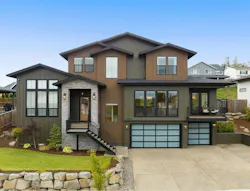
Kalen Development is not exclusively a design-build firm. We work with outside architects on traditional delivery projects and also run full design-build engagements under one roof.
But our preference for design-build didn’t come from a branding decision. It came from building both ways for over 20 years and watching which model actually sets clients up to succeed.
The numbers track with our experience. According to a 2025 Design-Build Institute of America study, design-build now accounts for 47% of all U.S. construction spending, on pace to reach nearly 50% by 2028.
That growth is not happening by accident. Owners and builders are choosing it because it addresses problems the traditional model doesn't.
What Actually Changes
In traditional delivery, design happens first. Then pricing. Then construction. Each phase lives in its own silo. The architect designs the home, the builder prices it, and if the numbers don’t work, everyone goes back to the drawing board. That gap between design ambition and cost reality almost always surfaces too late.
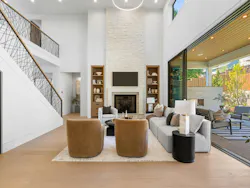
In design-build, cost modeling starts while the design is still being developed. A request for a 40-foot clear span in a great room gets discussed in week two; it’s not discovered six months later in pricing. Structural decisions, material selections, and mechanical layouts are coordinated with real pricing on the table instead of theoretical allowances.
MORE: What's Shaping Custom Home Building and Design This Year
That overlap changes the builder's role entirely. Instead of entering the process after design to deliver bad news about the budget, the builder is a collaborator from day one. It's a shift that's harder to quantify than a line item, but it's the reason many design-build clients don't go back to the traditional model.
Where Design-Build Earns Its Keep
Not every project needs it. A straightforward build on a flat lot with a well-defined program can run fine under traditional delivery, especially when the client already has an architect they trust. We take on those projects without issue.
But when things get complicated, design-build pulls ahead. Difficult sites. Aggressive timelines. Clients who want something that has never been built on that particular piece of land before. In the Pacific Northwest—between seismic requirements, variable soil conditions, and clients who want homes that perform as well as they look—that describes most high-end custom work.
Instead of entering the process after design to deliver bad news about the budget, the builder is a collaborator from day one.
Design-build compresses the feedback loop so problems surface in the design phase, where they’re cheapest to solve, rather than in construction, where they become change orders. Coordination between mechanical systems, structural engineering, and architectural intent is a perfect example: On a traditional project, the HVAC contractor arrives and discovers the ceiling detail doesn’t leave room for ductwork. In design-build, that conflict gets resolved from the start.
Where It Falls Short
The most legitimate criticism is the loss of competitive bidding. When one firm carries a project from design through construction, the client gives up the market pressure that comes from multiple contractors pricing the same set of plans. That is a real trade-off. Open-book pricing and line-item transparency aren’t optional in this model—they’re the foundation it stands on.
MORE: Design Detail: A Secret Wine Room Beheath a San Francisco Remodel
The other challenge is talent. Design-build demands people who think across disciplines: project managers who understand architecture, and designers who understand construction sequencing. Those are harder hires than specialists, and building that team takes years.
Why It Matters More for Remodels
We handle new construction and major renovations, and the design-build model applies to both. But it matters more for remodeling. The National Association of Home Builders expects remodeling activity to grow by 3% in 2026, and that growth brings complexity. New construction starts from known conditions. Remodels don’t.
Walls come open and reveal outdated wiring. Foundations turn out to be undersized. Framing doesn’t match the permit drawings. Every remodel has at least one moment where the plan changes on the fly.
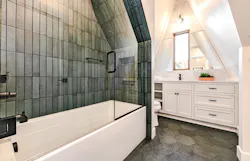
When design and construction live under one roof, that pivot happens in days. Under traditional delivery, the same discovery triggers a chain of redesign, rebid, and delays that can stall a project for weeks.
The Bigger Picture
The custom home market has shifted. Custom building starts rose by 6% year-over-year in Q3 2025, according to a NAHB analysis of U.S. Census Bureau data, but clients are coming to the table with tighter budgets and less tolerance for surprises. Energy codes keep getting stricter. Supply chains remain unpredictable. Labor is still constrained.
Design-build doesn't solve all of that. But after two decades and more than 100 projects, our team’s most consistent finding is this: the most expensive thing in construction is miscommunication. Any delivery model that gets the right people in the same room earlier is going to outperform one that doesn't.
Kalen Development is a custom home builder in Vancouver, Wash., offering both design-build and traditional delivery for luxury custom homes and major renovations across the greater Portland metro and Pacific Northwest.
Related Reads:
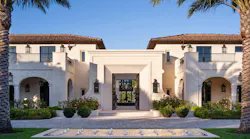 Exterior of a Southern California luxury home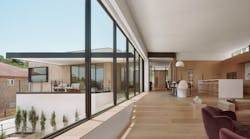
 cbbuilderin5
About the Author
Jeremiah Kopets
Jeremiah Kopets is the brand and marketing lead for Kalen Development, a custom home builder based in Vancouver, Wash. Reach him at [email protected].