Outlook Report: What's Shaping Custom Building and Design in 2026
Story at a Glance
- Market shifts are influencing where Americans choose to live in 2026, with Austin, Park City, and Charleston in demand for wellness-focused, sustainable homes.
- AI is being used by early adopters in design and project management, saving firms significant time and costs while enhancing client communication and creative processes.
- Emerging materials like engineered wood, prefabricated straw walls, and grown millwork are set to transform construction by improving performance and sustainability.
- And while kitchen designs are now focused more on practicality, bathrooms are evolving into spa-like retreats that support routines and self-care this year.
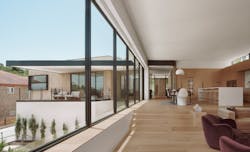
A few weeks into 2026, and it's clear that custom home building and design are being reshaped. There's a shift in where money is going, what technology and innovation are making possible, and how clients expect their homes to perform each day.
Wealth continues to move to new markets for tax and lifestyle reasons. AI has moved from curiosity to design, build, and operational reality. New materials are expanding what’s possible with structures and building envelopes. And kitchens and baths are increasingly shaped by how people live, not just how they look on Instagram.
This Outlook Report brings together five questions custom builders and their design partners are already asking. Each focuses on where change is showing up now, and how it's beginning to affect decisions you'll be making this year on markets, methods, and in project delivery.
Where is Demand Moving in Luxury Homes?

Where Americans choose to plant roots is shifting, as buyers seek improved quality of life, reliable schools, lower costs of living, and environments better suited to how families want to live. For custom builders and residential architects, this movement offers a real-time view into evolving priorities and the markets capturing long-term demand.
Austin, Texas; Park City, Utah; and Charleston, S.C., are leading custom-home markets shaped by these shifts. While each reflects a distinct lifestyle, they share common threads: designs driven by wellness, sustainability, and long-term value, along with site- and climate-specific challenges that continue to push residential construction innovation. Read the full market outlook.
How is AI Being Used Right Now?

For many in residential building and design, artificial intelligence has been little more than a curiosity: useful for drafting emails or creating (usually wonky) images, but not central to how work actually gets done.
That’s beginning to change. Forward-looking builders, architects, and designers are starting to use AI to accelerate client approvals, reduce costs, and streamline operations while maintaining the nuance and creativity their work demands.
The 2025 U.S. Houzz State of AI in Construction and Design report found that early adopters reported the biggest impact in administrative tasks, project management, and client communication, saving one to three hours weekly, which translates to an average of $108,000 annually per firm.
The question for custom builders and designers isn't whether AI has value, it's how to integrate it strategically. Here's a look at how some firms are harnessing AI to boost operations, sourcing, and creative development in their work.
Which Emerging Materials Should I Be Tracking?
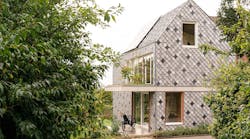
Conversations about innovation in residential construction often center on systems: smarter HVAC, more efficient solar, or advanced automation. But one of the most quietly transformative areas is materials, especially those emerging to address some of the building industry’s biggest challenges, from carbon emissions to labor inefficiencies and shortages.
Today’s custom home builders are navigating a shifting landscape. Clients want performance, sustainability, and healthy indoor environments—all without driving up costs or extending timelines. The good news is that new materials meeting those expectations are in development or already entering the market.
These aren’t abstract, lab-only inventions; they’re engineered products that are either in-market now or expected to be viable in the next one to three years. They offer clear advantages, such as stronger performance, lower environmental impact, and new ways to build smarter, faster, and more creatively.
From wood that behaves like steel to prefabricated straw walls and grown millwork, these materials challenge traditional assumptions about how homes are constructed. More importantly, they promise to give builders a competitive edge in delivering homes that meet today’s demands without compromising quality or craftsmanship.
What Are Clients Asking for in Kitchen Design?
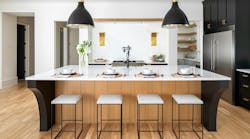 When upgrading their kitchens, homeowners in 2026 are seeking out practical, space-saving solutions.
As homeowners stay in their homes longer, design and construction professionals are increasingly meeting with clients who want kitchens that are more functional and practical for the long term.
In its 2026 U.S. Kitchen Trends Study, home remodeling and design platform Houzz gathered responses from nearly 1,800 homeowners, who overwhelmingly reported a need for designs that reduce kitchen clutter and add storage.
“Specialty and built-in storage is fundamental to how today’s kitchens function,” says Misty Callaway, designer of Hendersonville, Tenn.-based design build firm Callaway Homes and a Houzz Pro user.
See how these needs are playing out in kitchen projects right now.
Why are Bathrooms Taking Center Stage?
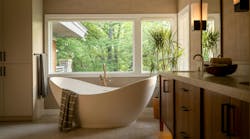 Wellness-inspired bathroom design
The bathroom is becoming a bigger focus for homeowners, with clients increasingly seeking out features that will turn their bathrooms into spa-inspired retreats. According to the National Kitchen & Bath Association’s 2026 Bath Trends Report, based on responses from 700 housing industry experts, this year's trends center on creating hospitality-inspired spaces, from the neutral color palettes to smart technology and more.
“Bath design is becoming deeply personal,” says Bill Darcy, global president & CEO of the National Kitchen & Bath Association. “Beyond considerations like resale value, designers are focusing on how spaces support a homeowner’s individual rituals, preferences, and self-care routines. This perspective encourages creativity, niche trends, and designs that truly reflect how people live today.”
See why more space and more control are driving bathroom requests.
You Might Also Like

 Blurred abstract image of a conference room with attendees
 Construction concierge walking through a modern interior (blurred image)
About the Author
Pauline Hammerbeck
Head of Content
Pauline Hammerbeck is head of content at Custom Builder, where she covers custom home building for builders, architects, and designers. She is also senior content strategist at Pro Builder, where she directs the brand's MVP Product Awards, and co-produces the Women in Residential Construction podcast, newsletter, and conference. Her background includes work in architecture, real estate, retail, and design.